 Image 1 of 1
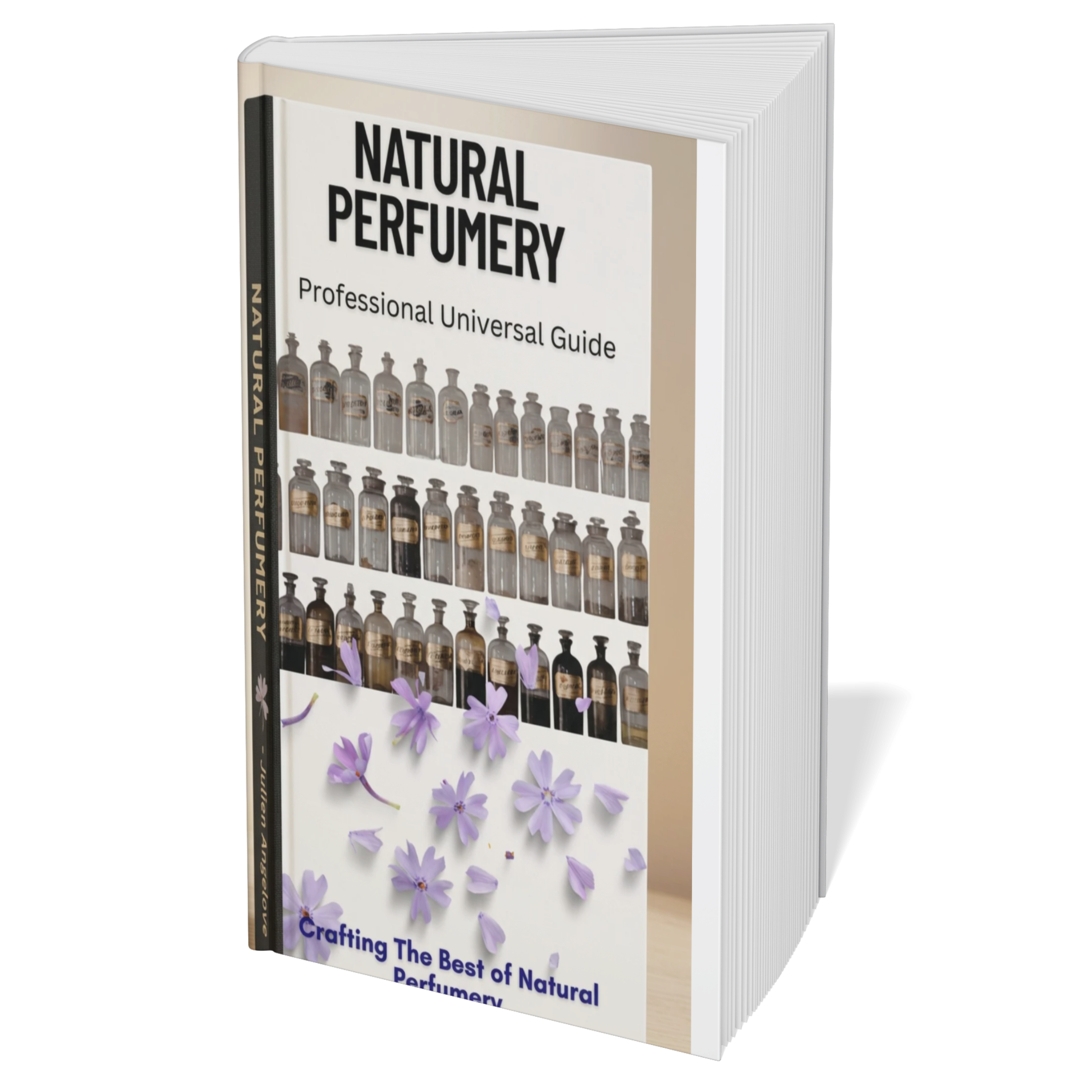
Natural Perfumery — Professional Universal Guide: Craft High-Quality Natural Perfumes
You don’t need the most expensive perfume school or workshop.This guide is the best practical and easy-to-understand professional training.
Master natural perfumery with this Professional Universal Guide: step-by-step blending techniques, in-depth material profiles, ingredient functions, best blending practices, perfume mathematics, cost and production planning. Ideal for independent perfumers, boutique brands, and students seeking professional, commercially viable natural fragrances.
What’s inside
Practical blending techniques: step-by-step methods, templates, and working routines to create balanced accords, harmonies, and long-lasting natural compositions.
In-depth material descriptions: complete botanical and natural raw material profiles (essential oils, absolutes, CO2 extracts, resins, concretes), organoleptic characteristics, olfactory families, volatility classes, and sourcing considerations.
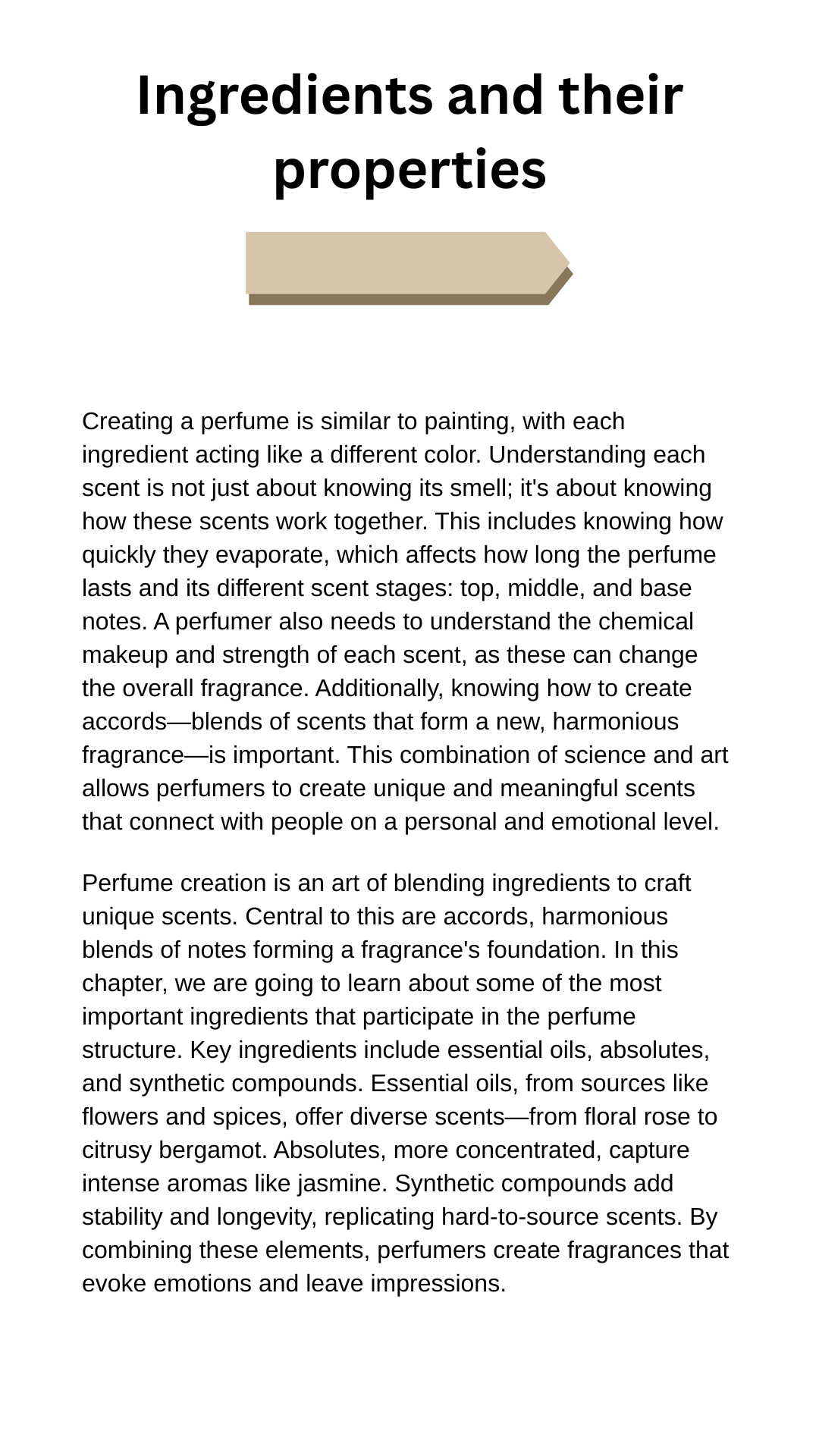
Ingredients and functions: how each natural ingredient behaves—top, middle, base roles; fixatives, modifiers, solvents, and preservative-safe alternatives—and how to use them responsibly.
Best practices for blending: safety standards, allergen awareness, stability testing, dilution strategies, maceration, aging, and accelerated aging techniques.
Perfume mathematics: precise formulas, percentage calculations, conversion tables, dosage rules, and scaling methods to move from gram-scale trials to production batches without losing aroma fidelity.
Production cost elaboration: transparent cost breakdowns, bill of materials examples, raw material cost management, packaging and labor considerations, pricing strategies, and profitability models for small-batch and larger-scale production.
Benefits
Create commercial-quality natural perfumes with repeatable results.
Reduce costly mistakes when scaling formulas.
Confidently calculate costs and price products for profit.
Make safer, stable, and marketable natural fragrances that respect regulations and consumer expectations.
Learn both creative and analytical skills—olfactory intuition supported by rigorous technique.
Who this guide is for
Independent perfumers and aroma enthusiasts transitioning to professional practice.
Boutique brands seeking a reliable production framework for natural lines.
Cosmetic formulators and R&D teams exploring natural fragrance development.
Educators and students of perfumery wanting a comprehensive reference covering both craft and commerce.
Natural Perfumery — Professional Universal Guide: Craft High-Quality Natural Perfumes
You don’t need the most expensive perfume school or workshop.This guide is the best practical and easy-to-understand professional training.
Master natural perfumery with this Professional Universal Guide: step-by-step blending techniques, in-depth material profiles, ingredient functions, best blending practices, perfume mathematics, cost and production planning. Ideal for independent perfumers, boutique brands, and students seeking professional, commercially viable natural fragrances.
What’s inside
Practical blending techniques: step-by-step methods, templates, and working routines to create balanced accords, harmonies, and long-lasting natural compositions.
In-depth material descriptions: complete botanical and natural raw material profiles (essential oils, absolutes, CO2 extracts, resins, concretes), organoleptic characteristics, olfactory families, volatility classes, and sourcing considerations.
Ingredients and functions: how each natural ingredient behaves—top, middle, base roles; fixatives, modifiers, solvents, and preservative-safe alternatives—and how to use them responsibly.
Best practices for blending: safety standards, allergen awareness, stability testing, dilution strategies, maceration, aging, and accelerated aging techniques.
Perfume mathematics: precise formulas, percentage calculations, conversion tables, dosage rules, and scaling methods to move from gram-scale trials to production batches without losing aroma fidelity.
Production cost elaboration: transparent cost breakdowns, bill of materials examples, raw material cost management, packaging and labor considerations, pricing strategies, and profitability models for small-batch and larger-scale production.
Benefits
Create commercial-quality natural perfumes with repeatable results.
Reduce costly mistakes when scaling formulas.
Confidently calculate costs and price products for profit.
Make safer, stable, and marketable natural fragrances that respect regulations and consumer expectations.
Learn both creative and analytical skills—olfactory intuition supported by rigorous technique.
Who this guide is for
Independent perfumers and aroma enthusiasts transitioning to professional practice.
Boutique brands seeking a reliable production framework for natural lines.
Cosmetic formulators and R&D teams exploring natural fragrance development.
Educators and students of perfumery wanting a comprehensive reference covering both craft and commerce.