
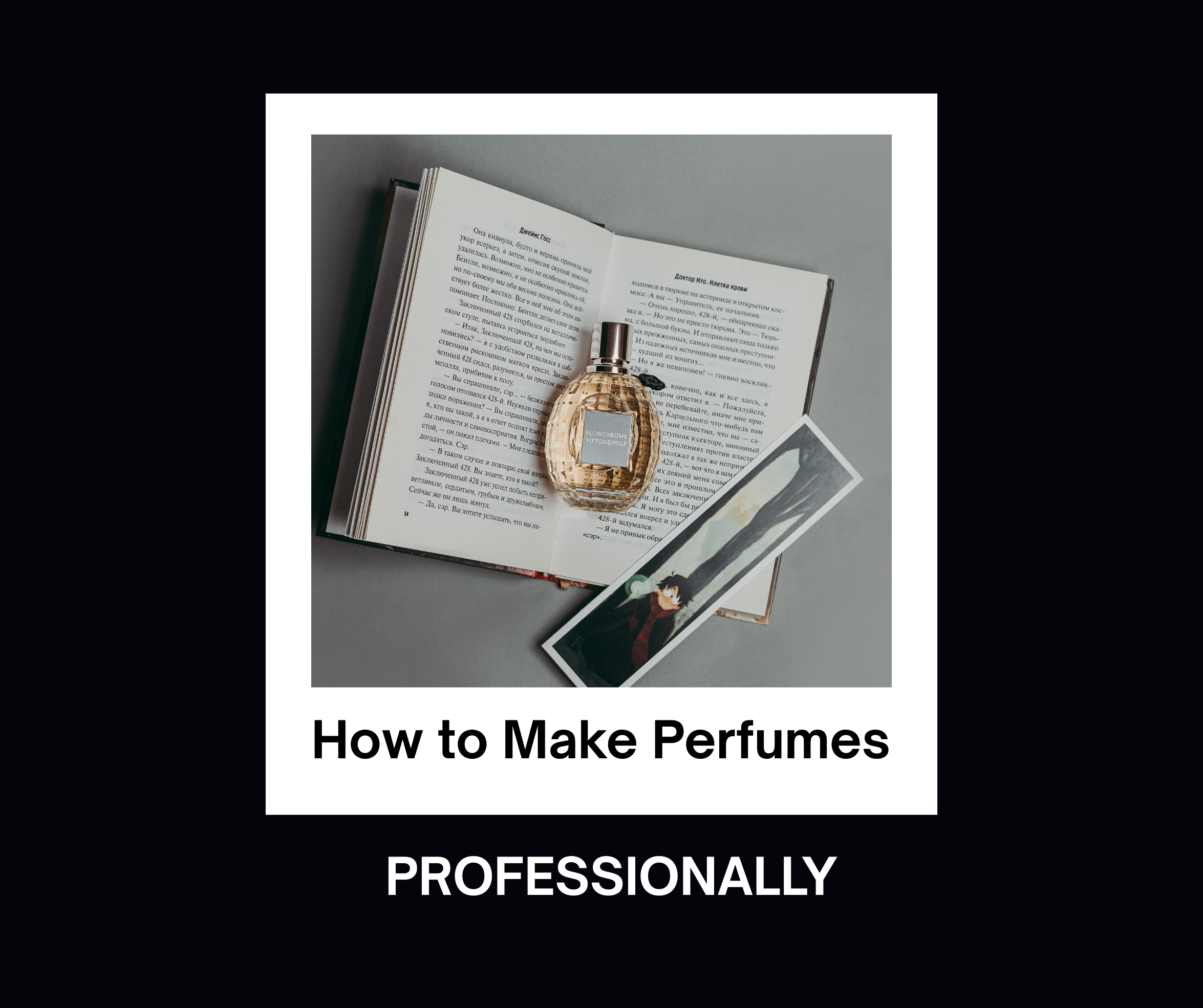
How To Make Perfumes
It All Begins Here
Perfumery is where art meets science, a secret craft passed down through generations. Each fragrance is a story in a bottle.
Behind every scent is a blend of creativity and precision, techniques preserved like heirlooms. Perfumer Julien Angelove will guide you through the steps of crafting perfumes.
A : Setting up your personal LAB :
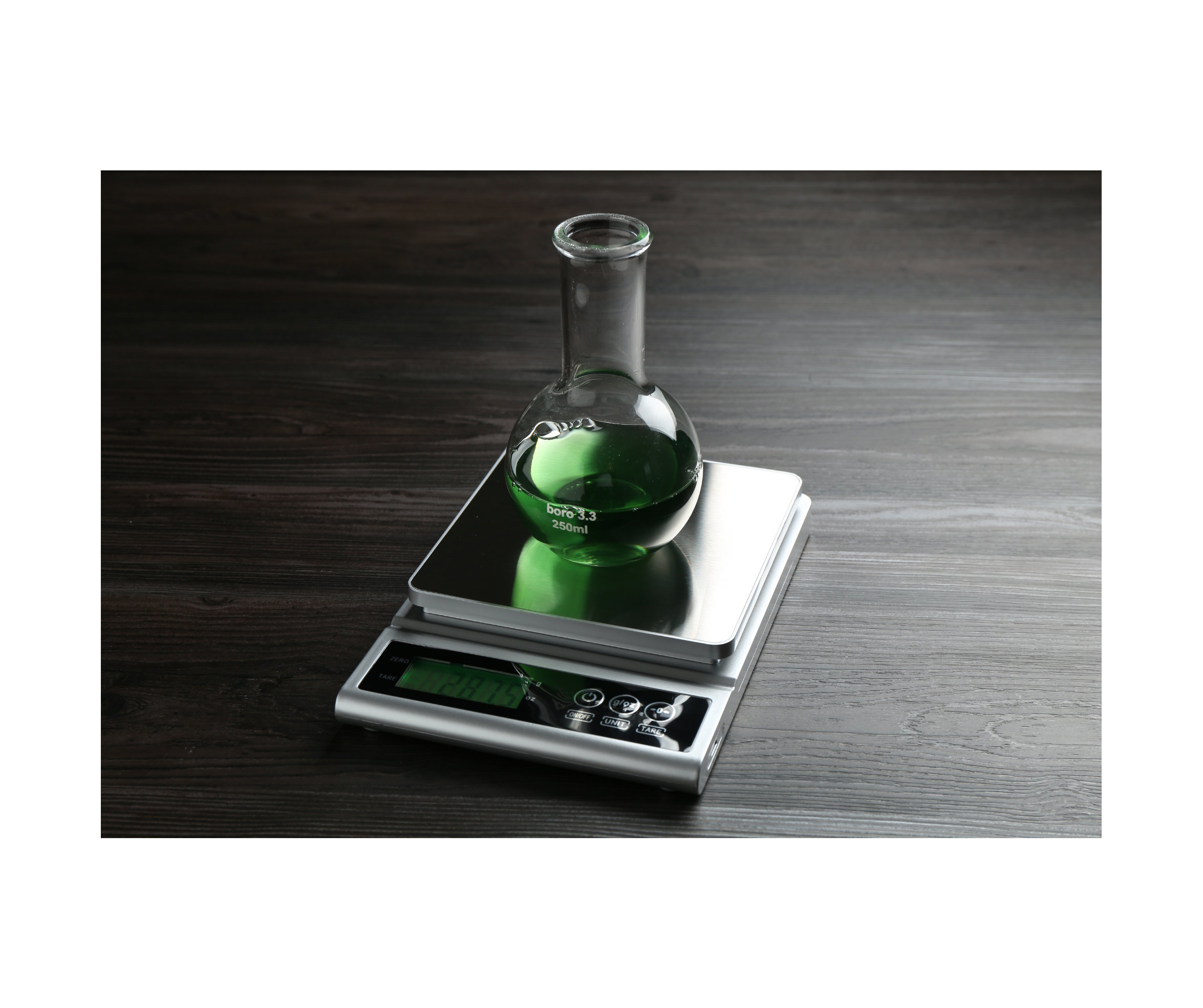
Scale with accuracy 0.001g and max weight must be more than 50g
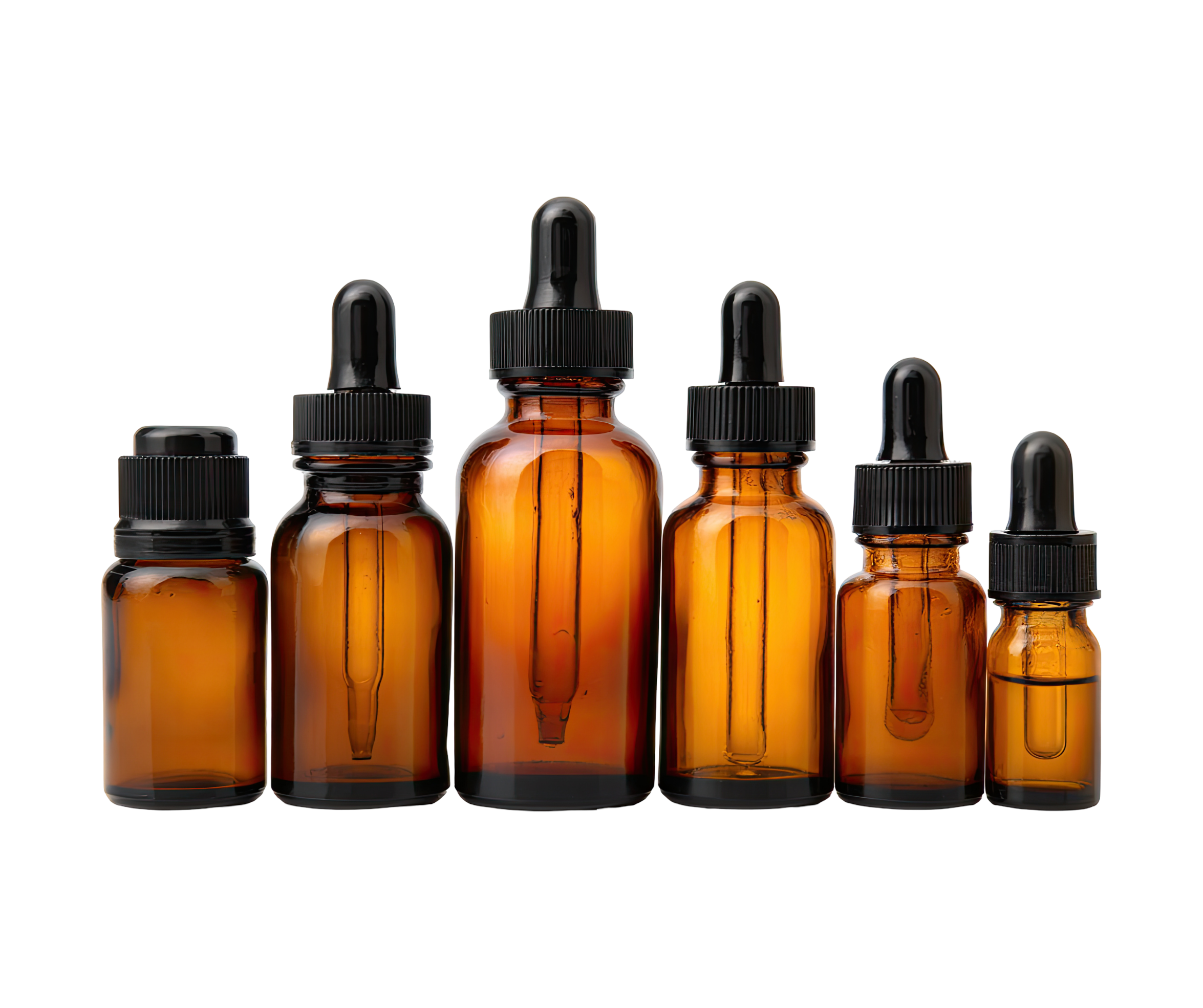
2.Bottles & Beakers
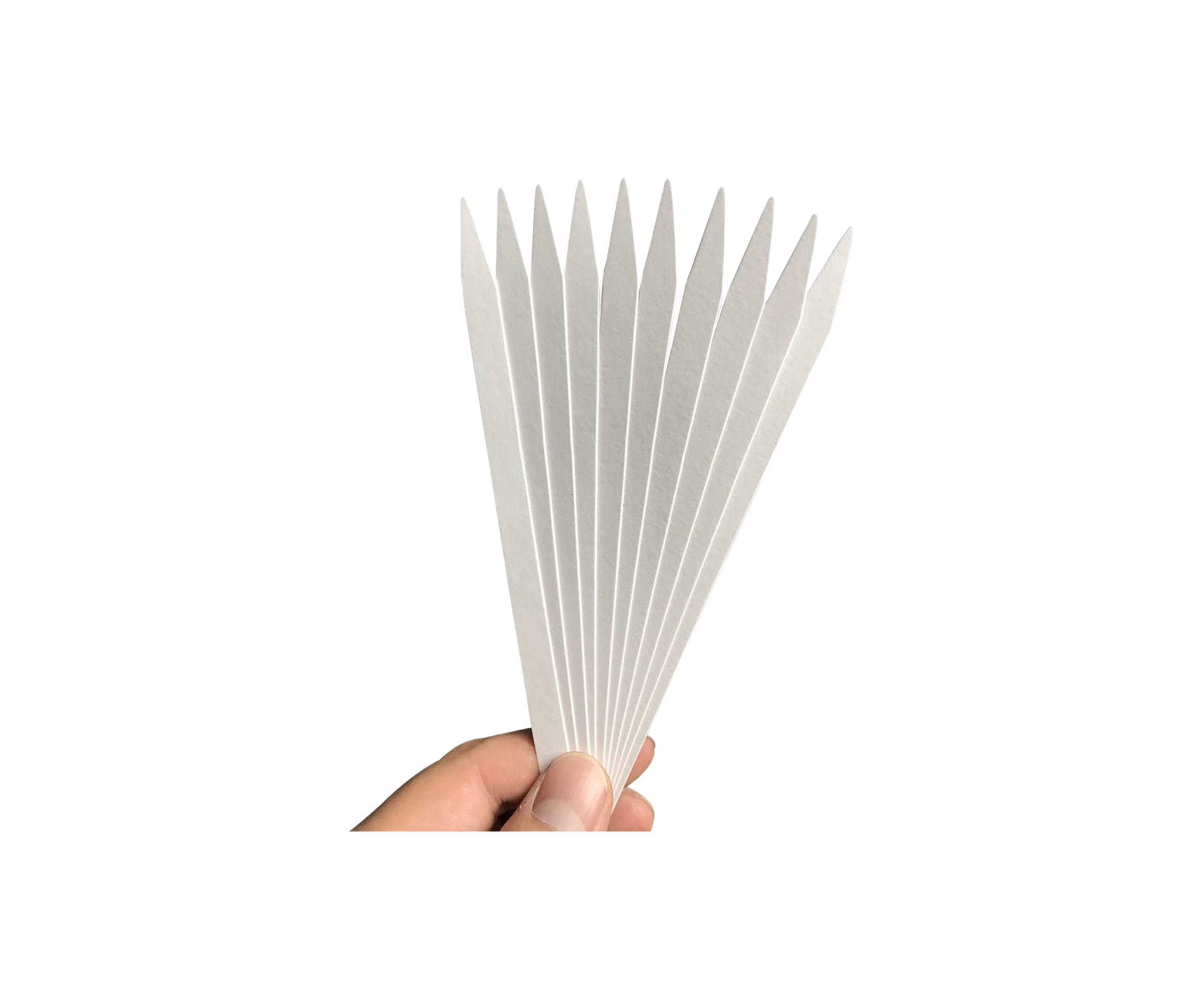
3.Blotter strips
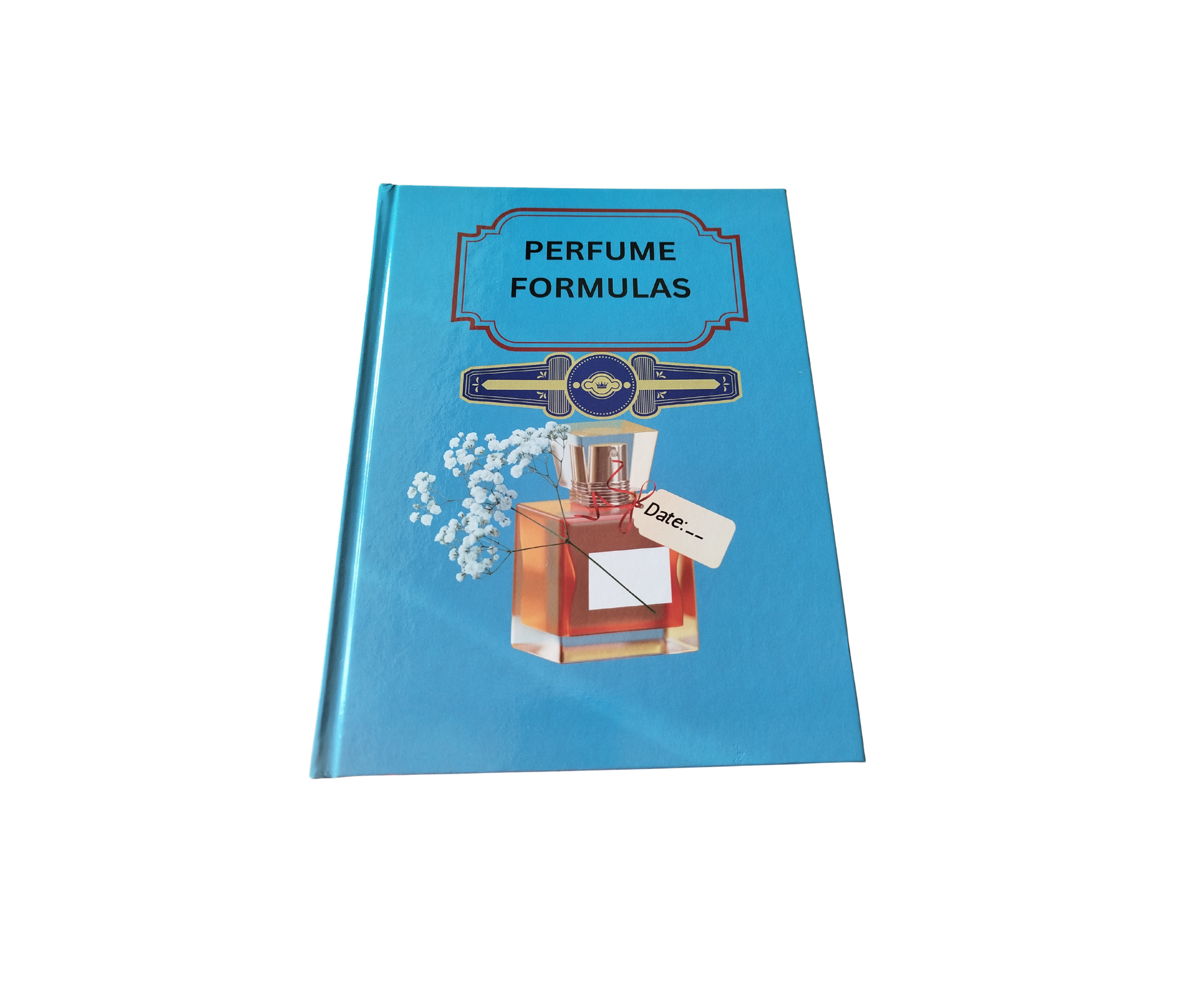
4.Notebook (Perfume Formulas) - Perfume Formulas Notebook
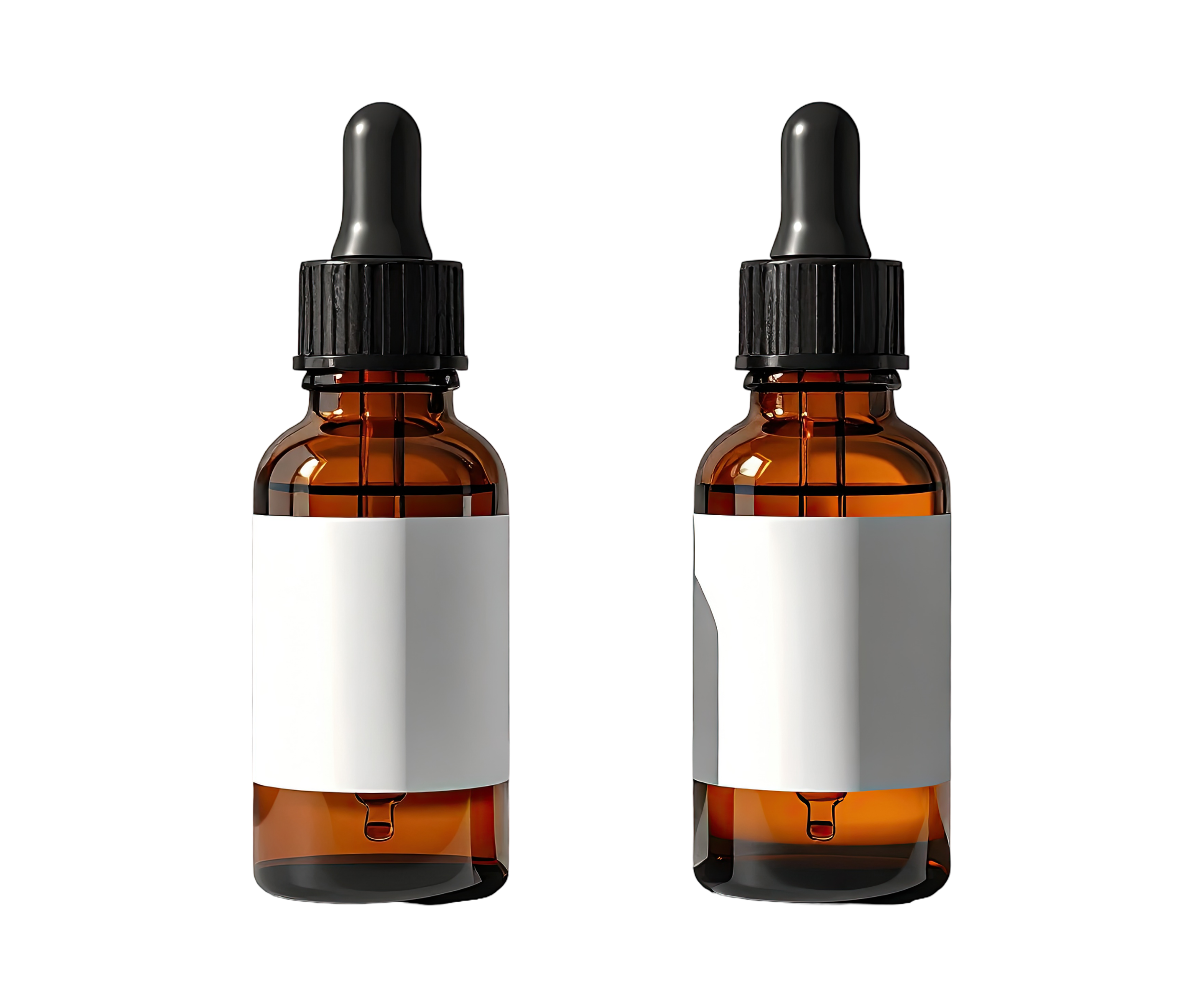
5.Sticky Labels to put on your trials- Write: name,date,dilution %
B: Ingredients
Here are some sources and suppliers of Raw Ingredients for Perfumery:
1.The Perfumer’s Apprentice (USA) link : Home
2.Fraterworks (New Zealand ,International shipping) ,link: Fraterworks — Raw Materials For Perfumers
3.Eden Botanicals (USA,International) Mostly for Naturals .Link :Eden Botanicals
4.Hekserij (Europe,Netherlands),link : Welcome to de Hekserij - Hekserij
5.For Perfume Alcohol - Vetiver Aromatics (USA),link: Perfumer's Alcohol - Vetiver Aromatics
C:Blending Technics:
1.Niche or Non Linear Perfumes
Non-linear perfumes offer a complex and dynamic olfactory experience, unlike traditional fragrances with predictable note progression. Their scent profile evolves and changes over time, revealing each type of note in a journey that unfolds uniquely. The drydown is most likely to be different from the opening, adding an element of surprise. These perfumes feature a blend of notes that shift unexpectedly, incorporating unique ingredients for distinctive scents. They boast intricate structures and showcase perfumers' creativity, resulting in innovative compositions. Their rich, evolving nature leaves a lasting impression, inviting wearers on a sensory adventure.
This technique involves artfully combining top, middle, and base notes to create a harmonious fragrance. While there isn't a strict formula for the ratio of these notes, renowned French perfumer Jean Carles proposed a particular distribution by featuring more on the base notes. For beginners, it is advisable to start with a guideline of 30% top notes, 50% middle notes, and 20% base notes. This recommendation is not a rule; however, to achieve a harmonious fragrance, the perfumer should balance the distribution of the notes. Additionally, it is important to consider the presence of intermediary notes, such as blending notes and accentuating notes, also known as modifiers, which enrich and refine the overall scent.
Linear Perfumes
Most commercial or designer fragrances are crafted as linear perfumes. These scents maintain a consistent aroma from the moment they are applied until they fade away, without any significant transformation over time. To achieve this type of fragrance, it's recommended to either avoid using top notes or incorporate them in very minimal quantities. Instead, a specific foundational accord is created, which provides both diffusion and longevity, anchoring the entire fragrance.
Note to the Future Perfumers:
Conclusion: The Mystique and Mastery of Perfumery
The art of perfumery is steeped in secrecy, a craft that has been cherished and protected through the ages. The allure of creating a unique fragrance lies not only in the final product but also in the intricate journey from concept to creation. Finding trustworthy materials and reliable knowledge can be a daunting task, often shrouded in mystery, making the pursuit of perfumery both challenging and rewarding.
For those passionate about this aromatic art, the path to mastery is paved with experimentation and the willingness to learn through trial and error. Each attempt is a step closer to unlocking the secrets of scent creation.
For those eager to delve deeper into the enchanting world of perfumery, expert guidance can be invaluable. Julien Angelove offers a personalized experience with a four-hour online face-to-face workshop. Aspiring perfumers can contact him at parfum@julienangelove.com to book a session and embark on a professional journey into the heart of fragrance creation. Or find his Practical Manual of How to Make Perfumes on his website-shop.